

What Grows From Your Words & Actions?
Post 3 in the Lojong Life Lessons Series

Welcome back to My Somewhere Else. In this new series, Lojong Life Lessons, I’m pairing Tibetan Buddhist Lojong slogans with what I learned during my near-death experience in 2015. This is the third installment.
The Lojong sayings are a set of 59 short slogans from Tibetan Buddhism, designed as mind-training tools. They aren’t lofty sutras meant to be memorized in a monastery — they’re more like pocket-sized reminders for everyday life. Each one points us back to compassion, awareness, and sanity right in the middle of messy human reality.
We’re still on the very first Lojong slogan—Train in the (four) Preliminaries—and today we reach the third preliminary:
The infallibility of karma — the law of cause and effect.
Not Cosmic Punishment (Sorry, No Judge in the Sky)
People hear “karma” and think: some divine Santa Claus is keeping track — naughty list, nice list. Do good, get a puppy. Do bad, get a parking ticket.
But no. Karma is just cause and effect. Nothing mystical. Nothing personal.
You plant corn, you get corn. You don’t get strawberries. You don’t get a new Tesla. You get corn.
What I Saw “There”
When I briefly died in 2015 and crossed over to My Somewhere Else, I wasn’t given the whole Hollywood highlight reel of my life. Some people do get a life review, but I did not. Maybe when I die again I will.
But I was shown many things, and one of them hit me like a freight train:
If I killed myself, if I did not find the willpower to return to my body on my own, my son would eventually do the same to himself. Not because anyone was punishing him, not because some cosmic judge was wagging a finger — but because that’s the seed I’d be planting. My action would teach the person I loved most that suicide was a solution. By choosing to do myself violence, I would be creating even more violence in the world, and that extra violence would hurt me more than anything I could imagine.
That’s karma. Not judgment. Not shame. Just consequences.
The Garden (and the Comment Section)
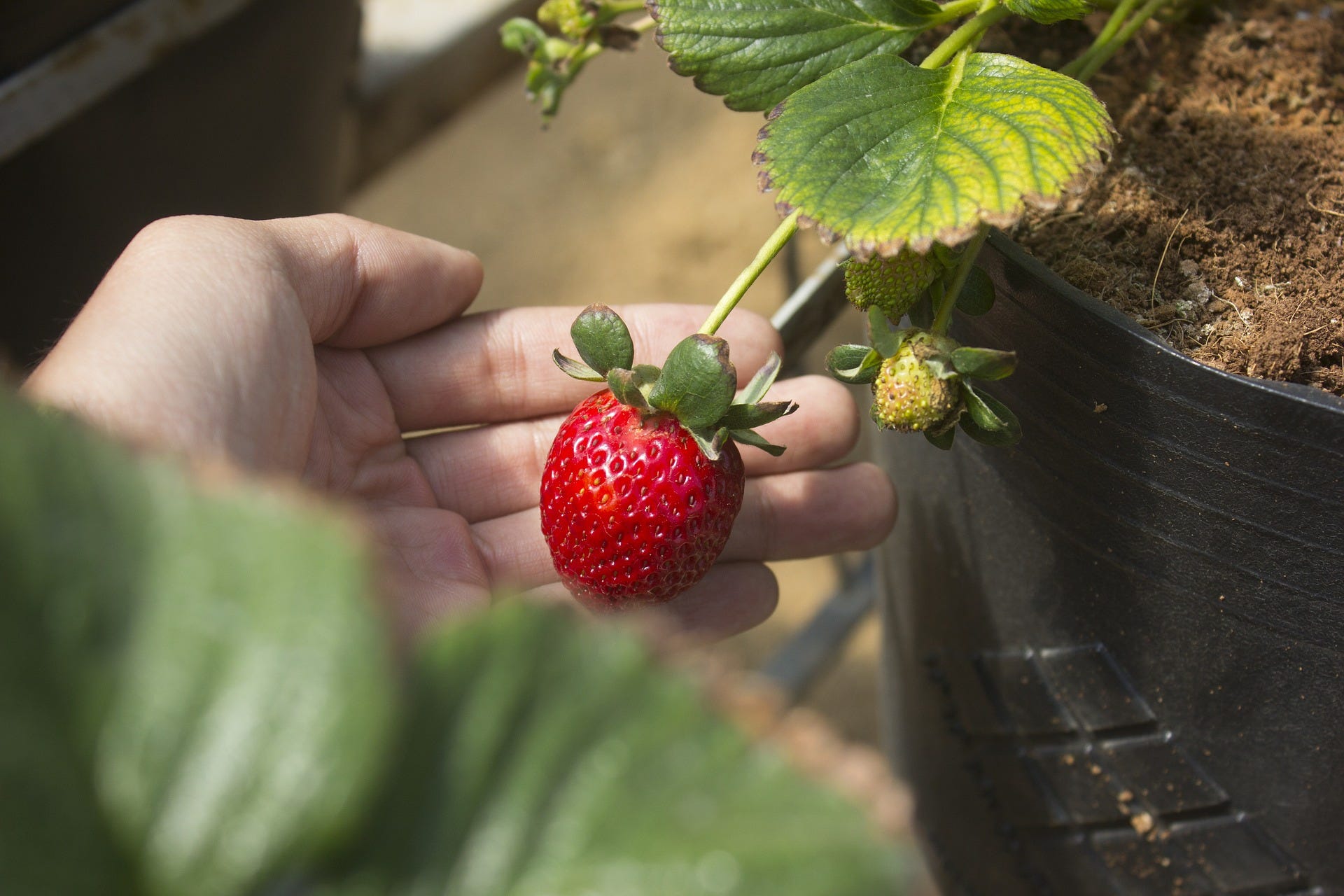
Life is basically a garden. Every thought, every action, every word is a seed. Some sprout fast. Some take forever. Some turn into roses, others into thistles. But they will grow.
And here’s where it gets uncomfortably practical: I run another newsletter, ALISA WRITES, where I do political and cultural commentary. Which means — you guessed it — my inbox is a daily buffet of hate mail.
Now, the easy thing would be to lob the hate right back. Believe me, I’ve composed some brilliant comebacks in my head. But here’s the truth: if I spit venom, I’m the one swallowing poison. That’s my karma, and I’m planting more thistles.
So most days I don’t reply. I close the laptop. I go outside. I let my silence be the seed instead. Not because I’m a saint — but because I’d rather be tending wildflowers than weeds.
Practice for the Week
This week, try pausing before one small choice and ask: What seed am I planting here?
If you snap at the cashier, what grows from that?
If you smile at the neighbor, what grows from that?
If you clap back at an online troll, what grows from that?
If you walk away and eat a cookie instead, what grows from that?
See what happens when you plant something different. Watch how the ground responds.
Next time, we’ll wrap up the preliminaries with the one we resist most: the suffering of samsara — and how even that can become a doorway to freedom.
Thank you for your series, Alisa. Planting the seeds and seeing karma sprout makes sense.
I give it back to the bots and trolls on Substack. You are correct, those are seeds planted. I’ll do better to block and report, so more violence is not planted. A collective mindshift is needed, because there are those that thrive on sowing hate and division. Let that be their karma, not mine.
Splendid